February 27, 2026
Exploring the psychological tricks casinos use to keep you playing
The Illusion of Near Wins
One of the most effective psychological tricks employed by casinos is the illusion of near wins. This tactic exploits our cognitive biases, making us believe we are closer to winning than we actually are. For instance, when players see that they almost hit a jackpot or when the symbols on a slot machine line up closely, it ignites a flicker of hope. This hope can be quite powerful, encouraging players to continue betting in pursuit of that elusive win. Many players turn to resources like the best online casino canada to maximize their chances and experience while gaming.
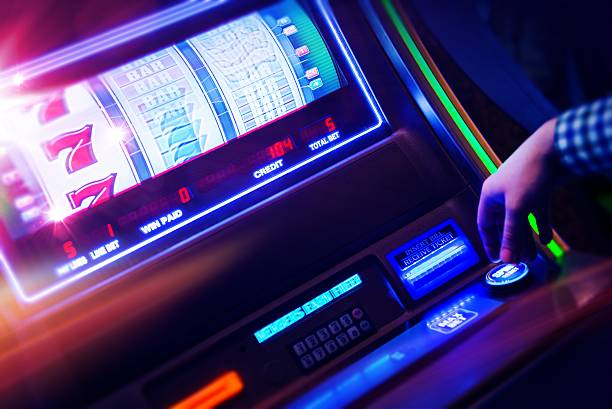
The design of many slot machines is specifically tailored to create this feeling of anticipation. The sound effects, visual cues, and even the timing of the spinning reels contribute to this strategy. By creating a momentary sense of excitement, casinos keep players engaged, often leading them to overlook the statistical realities of their chances of winning.
The Power of Rewards and Reinforcement
Casinos are adept at using the principles of behavioral psychology, particularly the concepts of rewards and reinforcement, to maintain player engagement. When a player receives a small win or a bonus, their brain releases dopamine, a neurotransmitter associated with pleasure and reward. This chemical reaction creates a feeling of euphoria that is often enough to keep players in their seats, chasing that next high.
Moreover, casinos often employ loyalty programs that reward players for their time and money. These rewards can include free play, meals, or hotel stays, which not only incentivize continued play but also build an emotional connection between the player and the casino. The more invested a player feels, the less likely they are to walk away, even when they are down on their luck.
Creating a No-Clock Environment
Another clever psychological trick utilized by casinos is the absence of clocks and windows. By creating an environment devoid of time indicators, players lose track of how long they’ve been gambling. The sensory overload of lights, sounds, and games can further disorient players, making it difficult to recognize the passage of time.
This design choice is intentional: when players are unaware of time, they are more likely to stay longer and spend more money. They can become completely absorbed in the game, often ignoring basic needs such as hunger and fatigue. This time distortion is a deliberate strategy aimed at maximizing player engagement and profits for the casino.
The Role of Ambience and Design
The physical layout and ambience of a casino are meticulously planned to influence player behavior. Casinos often feature vibrant colors, luxurious materials, and engaging lighting that create an inviting atmosphere. This sensory-rich environment enhances excitement and can lead to increased spending.
Furthermore, the placement of games is strategically designed to encourage players to explore and engage with more options. High-energy areas filled with slots and table games are often positioned near the entrance, drawing players in and keeping them entertained. By immersing players in a captivating environment, casinos can hold their attention for extended periods.
Website Purpose and User Experience
This website aims to provide valuable insights and resources about various aspects of casinos. Although it currently experiences some access restrictions, it strives to ensure that users can navigate with ease and find the information they seek. By focusing on creating a user-friendly experience, the site hopes to guide visitors through the complex world of gambling and entertainment.
If you have questions or require assistance, the support team is available to provide guidance and help navigate any issues. The goal is to empower users with knowledge about the psychological tactics employed by casinos, enhancing both their understanding and their overall gaming experience.